Security Systems4 min read
How to Choose the Right CCTV System for Your Business in Nigeria
Planning to install CCTV at your office, shop, warehouse or estate? Here's what to consider before you buy — camera types, storage, remote viewing, power backup and installation.
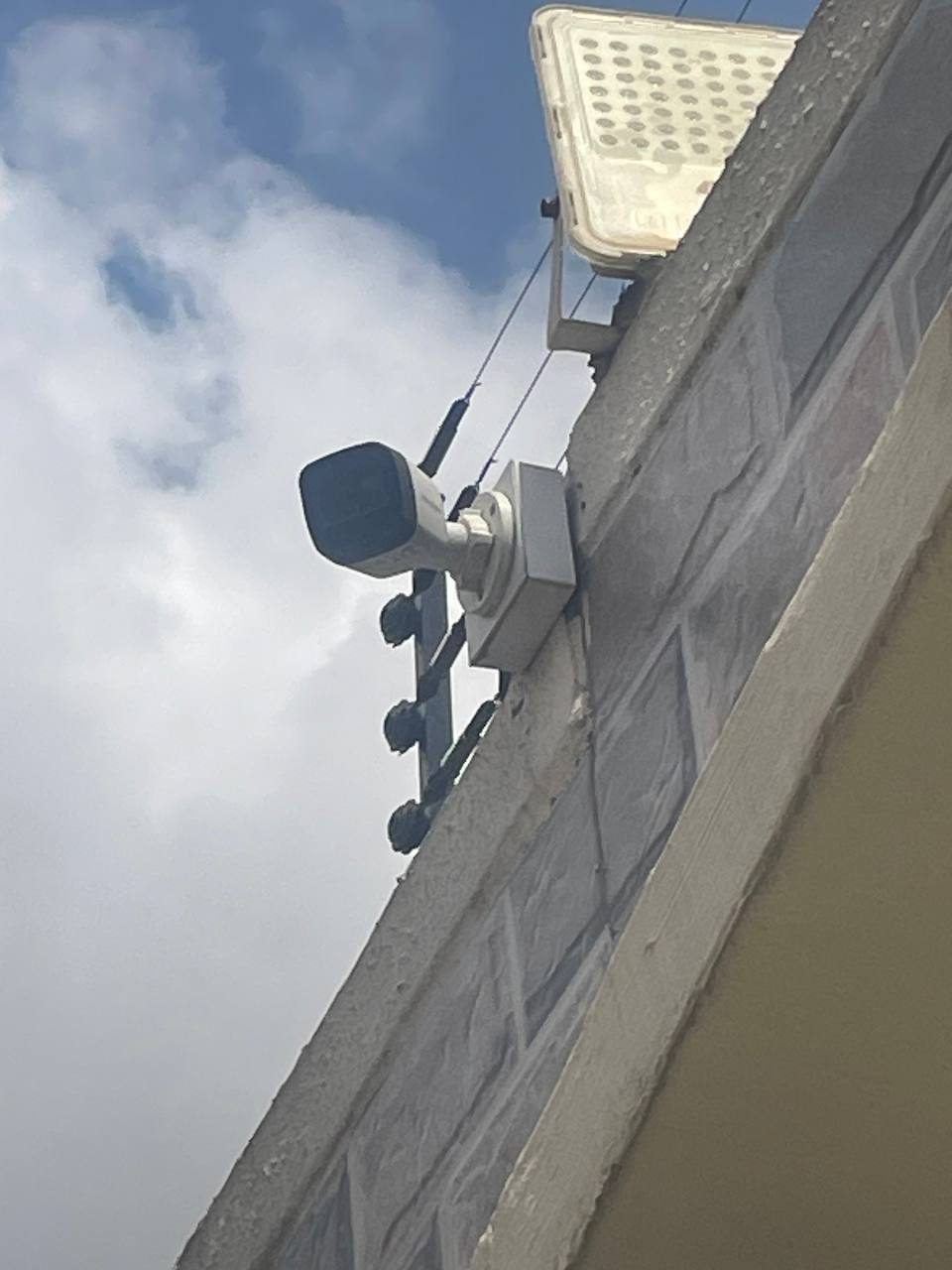
A CCTV system is one of the most practical investments a business can make. It deters theft, helps settle disputes, protects staff and lets you see what’s happening on your premises even when you’re not there. But not every camera setup delivers those benefits. Many businesses in Nigeria end up with cameras that record blurry footage, stop working when power goes off, or can’t be viewed remotely.
This guide walks you through the decisions that matter, so the CCTV system for your business actually protects it.
1. Start with what you need to protect
Before choosing any equipment, walk around your premises and list what you want the cameras to cover:
- Entry and exit points: gates, main doors, back doors and loading bays
- Cash and stock areas: tills, stores, warehouses and server rooms
- Perimeter: fences, walls and car parks
- Staff and customer areas: reception, sales floors and corridors
This tells you how many cameras you need and where they should go. A professional site survey does this properly. An engineer checks blind spots, lighting, mounting points and cable routes before recommending anything.
2. Choose the right type of CCTV camera
Different areas need different cameras:
- Dome cameras suit indoor spaces like offices, shops and reception areas. They’re discreet and hard to tamper with.
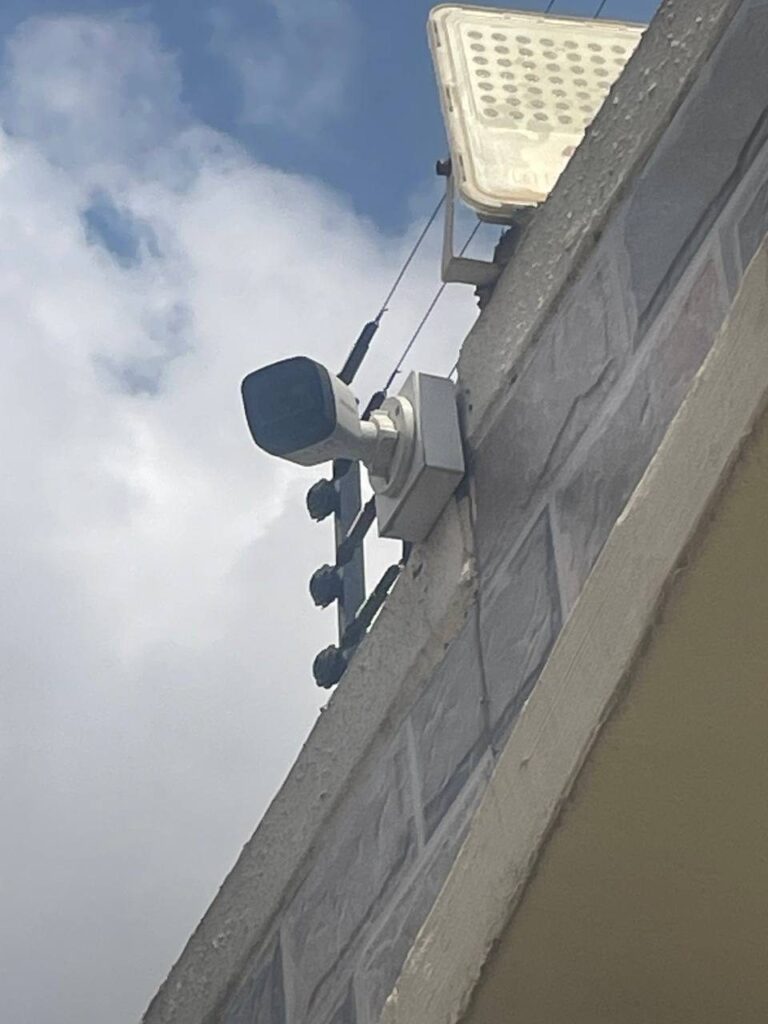
- Bullet cameras suit outdoor use. They’re weatherproof, visible (which deters intruders) and good for long views across car parks or perimeters.
- PTZ (pan-tilt-zoom) cameras can be moved and zoomed remotely, which makes them useful for large compounds, estates and warehouses.
- Night-vision cameras use infrared to record clearly in darkness. That matters for any area that isn’t well lit at night.
3. Pay attention to image quality
The whole point of CCTV is footage you can actually use. If you can’t make out a face or a number plate, the recording won’t help you. Choose HD cameras at minimum, and higher resolution for entrances and cash points, where detail matters most. Placement counts just as much as resolution: a good camera pointed at a bright window or mounted too high will still give poor results.
4. Decide how footage will be stored
Your cameras record to a DVR or NVR (a digital or network video recorder). Two questions to ask:
- How many days of footage do you need to keep? More days needs more storage. Many businesses keep two to four weeks so there’s time to review incidents.
- Where will the recorder sit? Keep it in a locked, ventilated room so intruders can’t simply take it.
5. Make sure you can view your CCTV remotely
A modern CCTV system should let you watch live and recorded footage on your phone, wherever you are. This is one of the biggest benefits for business owners. You can check on your shop after hours, see who’s at the gate, or review an incident while you’re travelling. Ask your installer to set up remote viewing and show you how to use the app before they leave.
6. Plan for power outages
Power interruptions are a fact of life for many Nigerian businesses, and a CCTV system that switches off with the grid leaves you exposed exactly when you need it. Plan backup power from the start. A UPS or inverter dedicated to your cameras and recorder keeps the system running, and a solar inverter system gives longer, cleaner backup for sites with frequent outages.
7. Think beyond cameras
CCTV works best as part of a wider security and surveillance setup. Depending on your premises, consider:
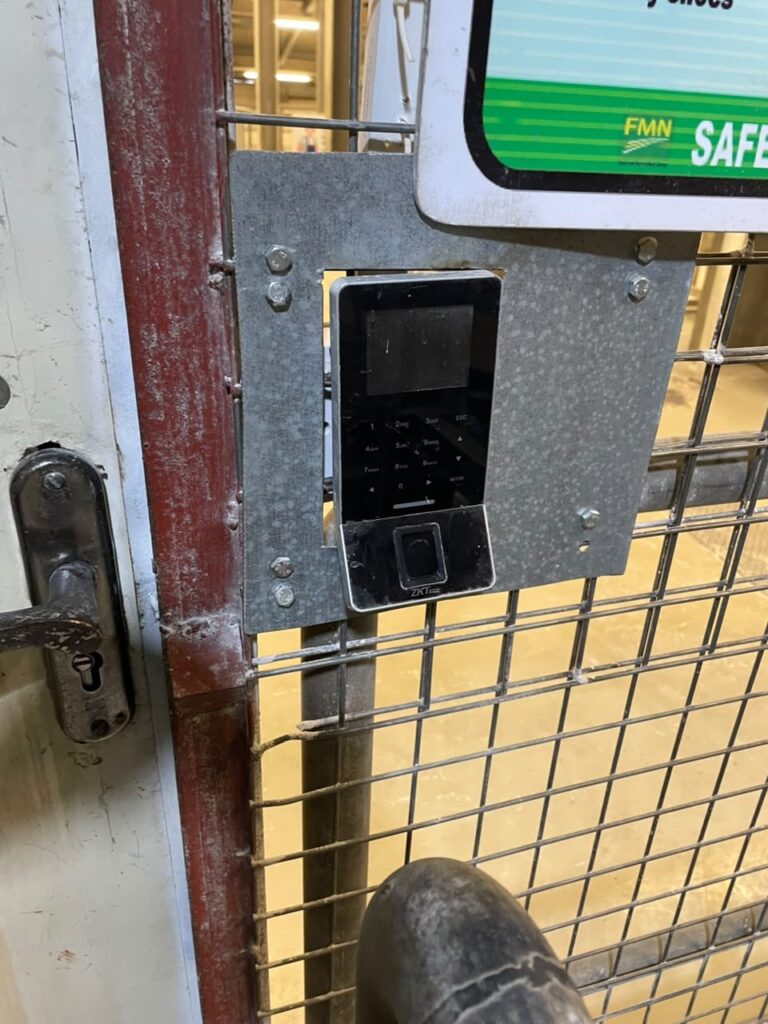
- Access control: biometric or card readers that control who enters and record when
- Intruder alarms: instant alerts when someone enters without authorisation
- Video intercoms: see and speak to visitors before opening the gate
- Electric fencing and solar floodlights: stronger, well-lit perimeters that deter intruders
Having one team design and install these together means they work as one system, not a collection of separate gadgets.
8. Choose a CCTV installer who supports you afterwards
The quality of the CCTV installation matters as much as the equipment. Look for an installer who:
- Carries out a proper site survey before quoting
- Gives you a written design and a clear quote
- Runs neat, protected cabling and tests every camera with you
- Trains your team to use the system
- Offers maintenance, because cameras get dusty, cables get damaged and software needs updates
Get a CCTV system that actually protects your business
At Fortitude Plethora Solutions, we design, install and maintain CCTV and security systems for offices, shops, warehouses, schools, estates and industrial sites across Nigeria. Every project starts with a site survey and ends with training and ongoing support. Explore all our services, or see recent installations in our gallery.
Ready to secure your business? Book a free consultation, call us on 07032530732, or chat with us on WhatsApp.